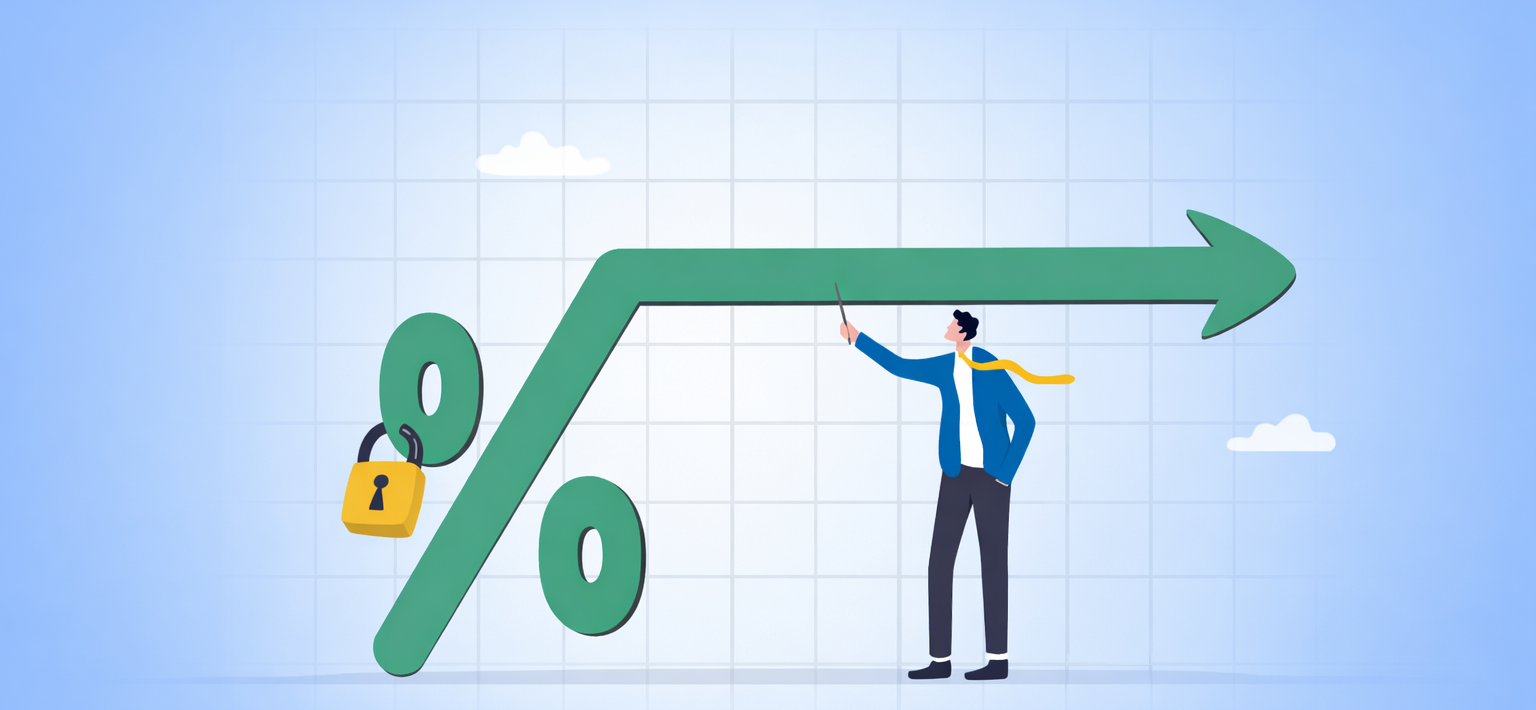
Today, we have the latest from the Federal Reserve.
The Fed Leaves Rates Alone
As expected, the Fed made no changes to interest rates this week. While that doesn’t seem that exciting, they did release their latest summary of economic projections, which gives us some insight into when they may act again.
Here’s a summary of their economic forecast:
- They expect GDP growth to be 2.4% this year, which is up slightly from their December projection.
- Their forecast for the unemployment rate in 2026 was unchanged at 4.4%.
- Core inflation is expected to be 2.7% this year, up from their December forecast of 2.5%.
- And last but not least, they expect only one rate cut this year.
To sum up, the Fed expects decent economic growth, a low unemployment rate, and an inflation rate almost a percent higher than their target of 2%.
While I’ve been quick to criticize the Fed in the past, I can sympathize with the difficult position they face this year. Since they have a dual mandate of price stability and maximum employment, you can make an argument for both a rate cut and hike.
In January, the latest month we have data for, core PCE inflation was at 3.1% annually. Based on that data, and the recent spike in oil prices due to the war in Iran, you can understand why some economists would call for a rate hike. On the other hand, a phrase economists love to use, the lack of hiring and weak economic growth of 4Q25 makes a great case for a cut.
So, what should they do? I wouldn’t expect any movement in rates until the next Fed chairman takes office, which should be in May. That would make the June meeting the first chance of a move, but I don’t see that happening. My guess is they probably won’t touch rates until the last quarter of 2026, and that move should be a rate cut.
Here’s why I say that:
- If I were chair of the Fed, I would wait and hope that inflation starts to come down on its own.
- I think the bigger danger to the economy right now is the lack of hiring, and what the weak labor market means to economic growth.
- Hiking rates, even if for the right reasons, when hiring is this weak always runs the risk of causing a recession.
In conclusion, the Fed’s dual mandate makes their job much tougher when economic growth is slowing while inflation remains higher than we’d like it. This has many economists talking about “stagflation,” which is when you have slow growth, high inflation, and high unemployment. We certainly have the first one, kind of have the second one, but in no way have the third one. That’s why the Fed should keep rates steady for as long as possible, so markets adjust and normalize.
Leave a Reply