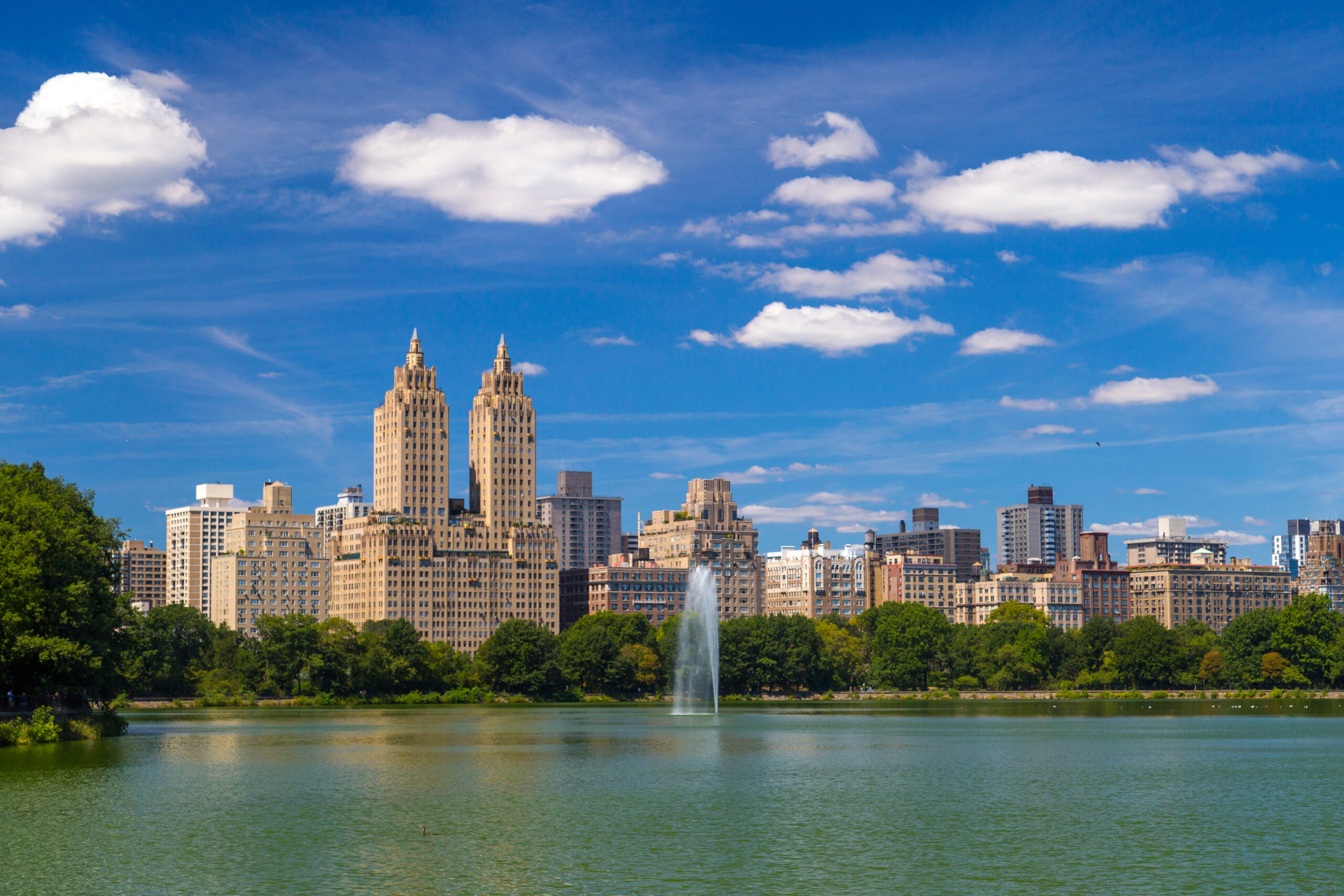
The Upper West Side has long been one of Manhattan’s most desirable neighborhoods, known for its tree-lined avenues, architectural charm, and proximity to Central Park. But a recent analysis reveals a striking shift: new development on the Upper West Side is slowing to a near standstill. Only 51 new condominium units are expected to be completed through 2028—a 94% drop compared to the prior building cycle according to a recent article in Bloomberg News.
That scarcity is reshaping the market, intensifying competition for the limited number of newer homes available.
“There’s Been More Demand on New Stuff Than Ever Before.”
According to Lisa Lippman, Brown Harris Stevens’ #1 agent and a longtime Upper West Side specialist, demand for newer product is stronger than ever:
“There’s been more demand on new stuff than ever before.”
Even as inventory declines, buyers continue to prioritize turnkey homes with modern amenities—central air, high ceilings, in-unit laundry, and luxury finishes. Lippman notes that these preferences have only deepened in recent years, as more buyers seek convenience and quality over renovation potential.
“We saw people turn away from pre-wars for new development with central air and instant gratification,” she adds.
Why the Slowdown?
The Upper West Side’s development landscape has always been more constrained than Downtown or Midtown. Between landmark designations, limited land availability, and the high cost of assembling sites, large-scale projects are increasingly rare. Developers are cautious, and zoning limitations further restrict what can be built.
The result is a tightening supply of new construction—especially at the luxury level—creating a premium for those rare, newer condominiums that do come to market.
What It Means for Buyers
For buyers, this environment demands both preparedness and decisiveness. Competition for quality listings is fierce, and desirable units—particularly newer condos—are often met with multiple offers.
“Buyers today are willing to pay for ease,” says Lippman. “When a home has everything done—and done well—it stands apart.”
What It Means for Sellers
For sellers, limited inventory offers opportunity. Homes that are well-presented and move-in ready can command attention from buyers who might otherwise gravitate toward new development.
Lippman advises sellers to highlight upgrades and finishes that speak to modern living: “In today’s market, buyers want to feel like they’re getting a new experience, even in an established building.”
The Upper West Side has always balanced history with modernity—a neighborhood where landmarked buildings sit comfortably beside sleek new towers. As new development slows, that balance may tilt further toward preservation, reinforcing the enduring value of existing homes.
For both buyers and sellers, understanding these dynamics—and working with an experienced agent who knows the nuances of the neighborhood—has never been more essential.
As Lippman puts it:
“The market is evolving, but the Upper West Side remains timeless. The scarcity of new construction only makes what’s here even more desirable.”
Leave a Reply