By Peter Ronningen, Licensed Associate Real Estate Salesperson
Living in Gowanus, I’ve learned that some of the neighborhood’s most interesting stories begin in conversations with longtime neighbors.
Conversations about a familiar building or what once occupied a particular corner can reveal stories of a vanished business, a family that lived on the block for generations, or a chapter of Brooklyn history that feels far removed from the neighborhood today.
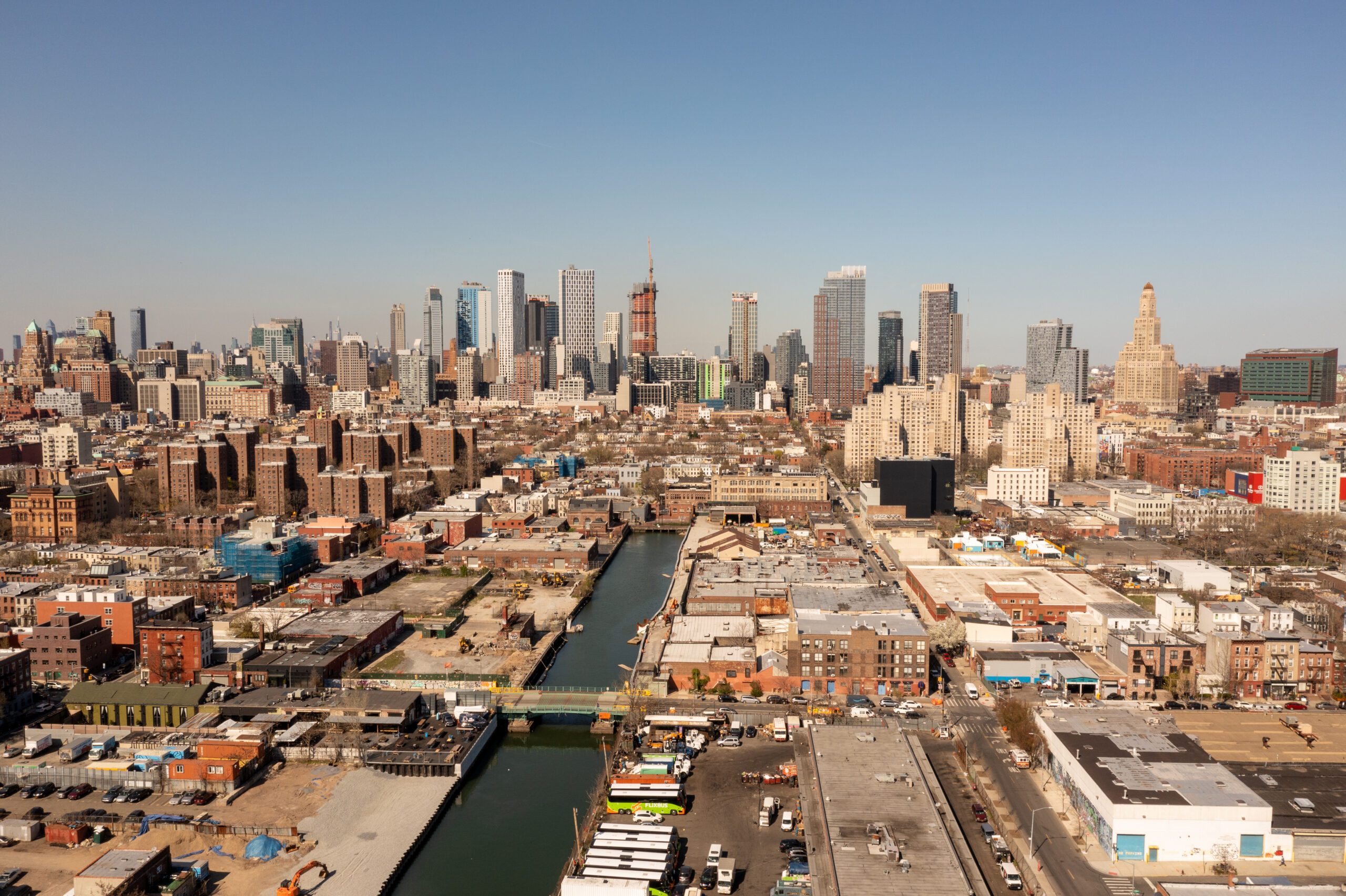
James Gray’s new film Paper Tiger offers a compelling reason to revisit that past. Set in Queens and Brooklyn in 1986, the crime drama stars Adam Driver, Miles Teller, and Scarlett Johansson and follows two brothers drawn into a dangerous business scheme involving Russian criminals and the Gowanus Canal. Its story of ambition, family, and compromised opportunity places the waterway at the center of a much darker vision of New York.

For those of us who call Gowanus home, that setting invites a closer look at the neighborhood itself: how it developed, how its reputation took shape, and how the same industrial landscape is being reimagined today.
Where History Meets Neighborhood Lore
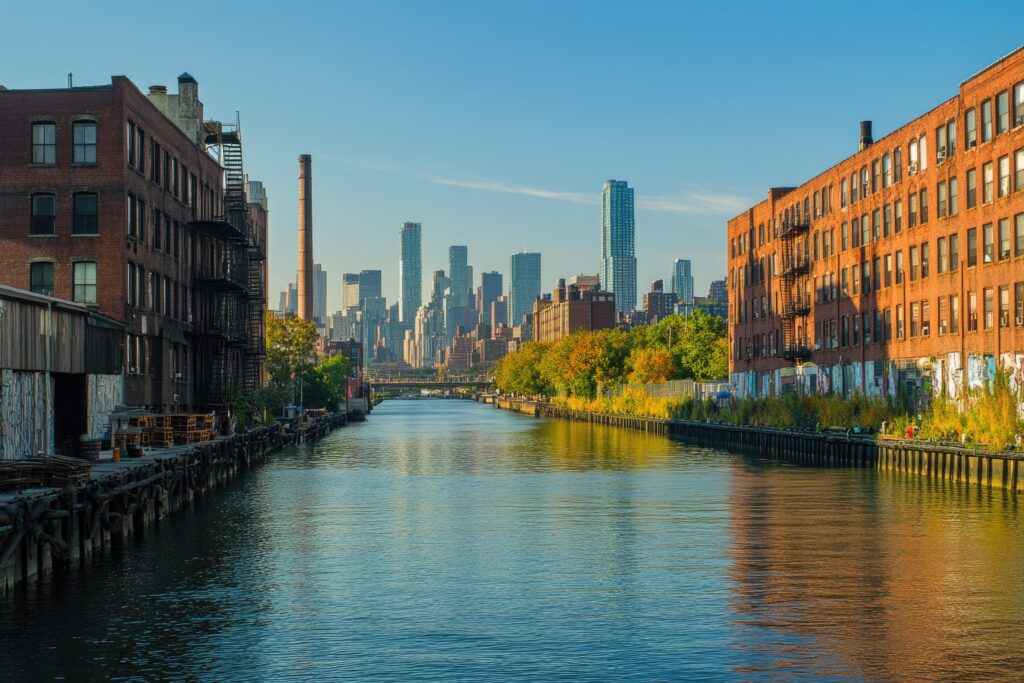
Completed in 1869, the Gowanus Canal helped power Brooklyn’s industry, supporting gas plants, foundries, coal yards, and shipyards. That legacy remains visible in the neighborhood’s mix of warehouses, homes, and bridges. Decades of industrial waste and sewage contamination also led to its federal Superfund designation in 2010, making environmental cleanup central to its next chapter.
Organized crime’s influence on South Brooklyn’s waterfront was documented in federal investigations, while neighborhood storytelling has added layers of folklore. Brooklyn’s organized crime history includes notorious figures such as Carmine “The Snake” Persico, the longtime boss of the Colombo crime family, whose criminal operations extended across the borough. The Colombo and Bonanno crime families were among the Five Families that shaped New York’s organized crime landscape throughout much of the 20th century, leaving a legacy that continues to surface in conversations about Brooklyn’s past.
That history isn’t confined to old newspaper headlines. Just recently, a conversation with neighbors at a local dog park brought up an intriguing piece of neighborhood lore: the suggestion that descendants of the Bonanno crime family may still live in Gowanus. Whether true or simply a story passed between generations, it’s the kind of anecdote that illustrates how deeply the neighborhood’s history remains woven into its present.
And while the Mafia’s influence has diminished considerably since its heyday, organized crime has not disappeared entirely from New York. Federal investigations and prosecutions involving members and associates of the city’s historic crime families have continued into recent years, offering a reminder that this chapter of the city’s history is not entirely closed.
The accounts I’ve heard from longtime neighbors have sparked my curiosity, though memory, rumor, and fact can become intertwined. Paper Tiger offers a fictional entry point into that darker history, but Gowanus’s identity also rests with the families, workers, and businesses that built its community.

Gowanus’ Next Chapter: Development and Real Estate
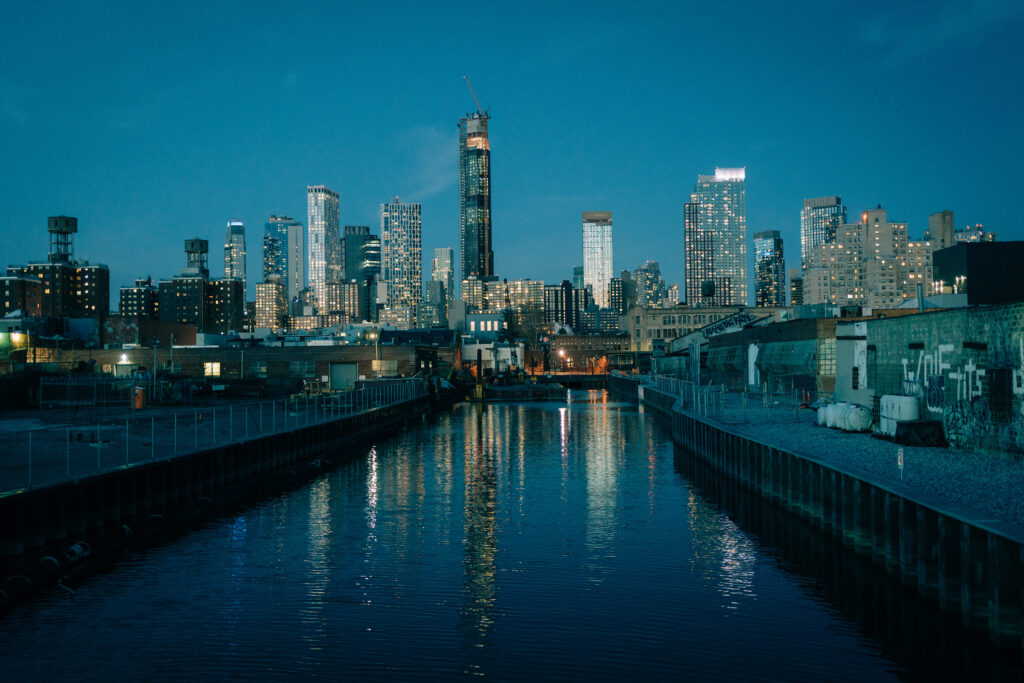
Gowanus’ 2021 rezoning anticipated approximately 8,500 additional homes, including roughly 3,000 affordable homes, alongside new commercial and community space. Together with the canal cleanup and improvements to sewage infrastructure, that growth is reshaping the neighborhood. It also raises questions about affordability and preserving the businesses, creative spaces, and industrial character that make Gowanus distinctive.
Paper Tiger brings an earlier New York into focus, while today’s Gowanus is writing a new chapter through housing, environmental repair, and growth. Conversations with longtime neighbors remind me that understanding its future begins with understanding its past. That connection is what continues to fascinate me about this corner of Brooklyn—and what I hope to help others discover.
Leave a Reply