A well-designed garden can transform the look and feel of a home. Beyond creating a peaceful retreat, beautiful landscaping adds curb appeal and can significantly enhance a property’s value. The real estate professionals at Brown Harris Stevens know firsthand how thoughtfully maintained outdoor spaces make a lasting impression on buyers and visitors alike.
We asked several of our agents to share their favorite gardening insights—from planting strategies to seasonal maintenance. Here are their expert tips for creating a vibrant, welcoming landscape.
Plan First, Plant Second
According to Gayle Osman Lopata, successful gardening begins long before the first plant goes into the ground.
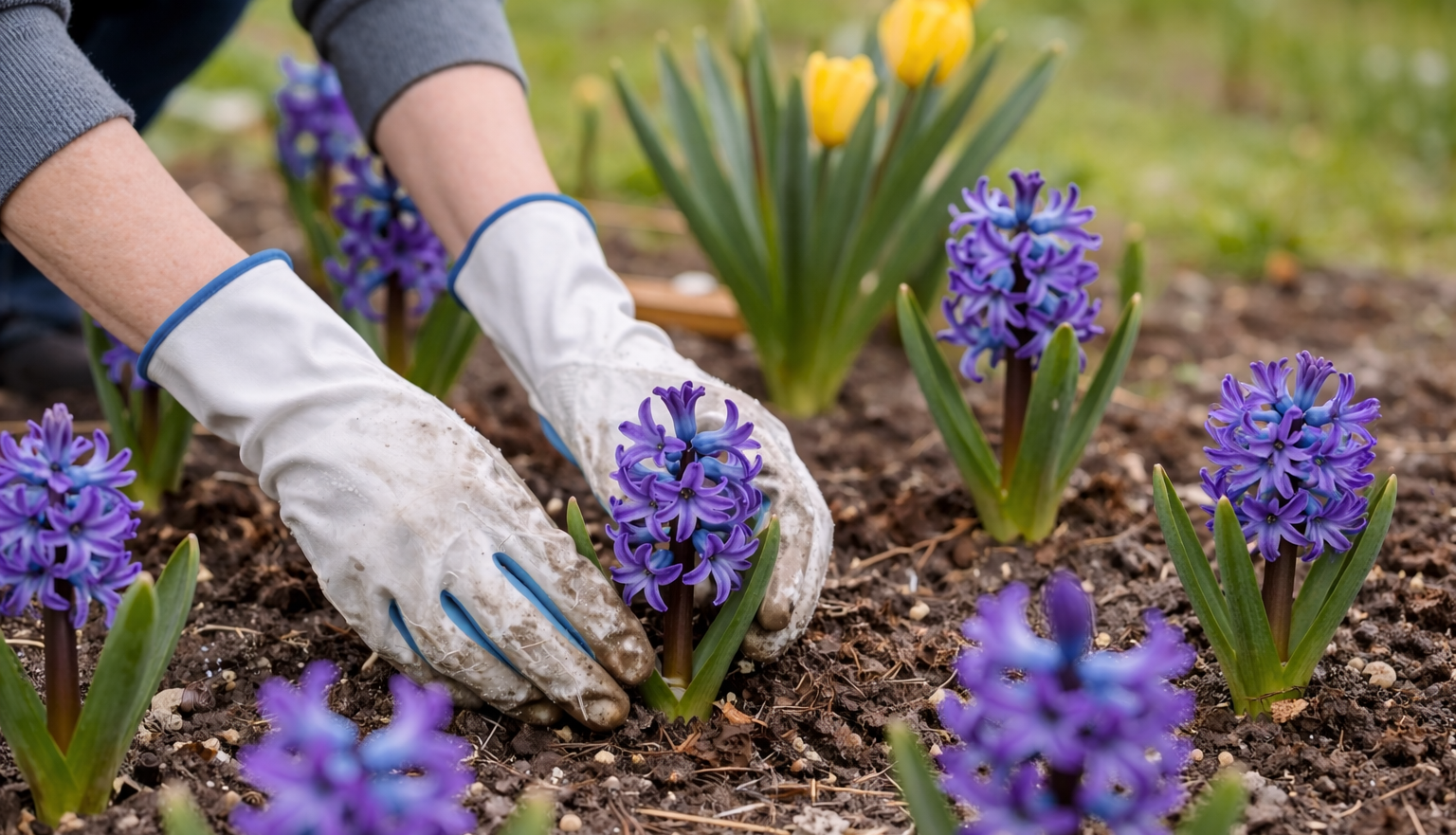
Start by investing in quality tools and setting yourself up for comfort while working outdoors. A sturdy tool carrier, reliable hand tools, and foam knee supports can make gardening easier and more enjoyable. Wearing the proper clothing, gloves, and a hat will also help protect you during long hours in the garden.
Equally important is proper soil preparation. Before planting anything, ensure the soil is well-tilled and ready to support healthy roots. Good soil structure allows plants to absorb water and nutrients more efficiently.
But perhaps the most valuable tip: resist the temptation of instant gratification. A thriving garden is carefully planned. Consider what will bloom throughout the year rather than focusing only on summer flowers. By incorporating plants that flourish in spring, summer, and autumn, your garden will remain visually interesting through multiple seasons.
Create Layers and Texture
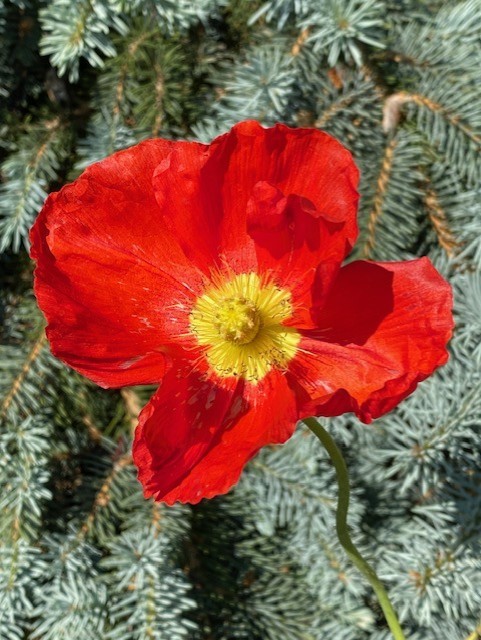
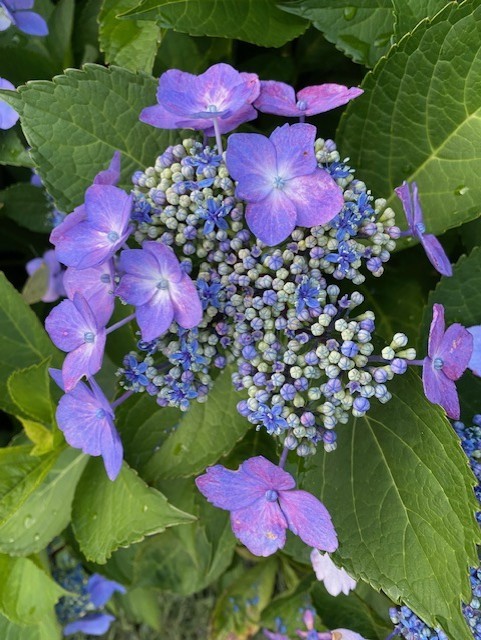
Thoughtful plant selection and arrangement can elevate the entire look of your garden. Gayle recommends creating a list of flowers, flowering shrubs, and trees with interesting foliage before you begin planting.
Mixing plant heights—taller plants in the back, mid-sized shrubs in the middle, and ground covers below—creates visual depth and structure. Ground covers also help fill empty spaces while reducing weeds and retaining soil moisture.
Foliage is just as important as flowers. Plants with varied shades of green or variegated leaves can create a striking display even when blooms are not at their peak. Ferns are a favorite addition, offering graceful texture and thriving in shaded areas.
When planning your layout, always consider sunlight conditions. Understanding which parts of your garden receive full sun, partial shade, or deep shade will help ensure each plant thrives in its ideal environment.
Hydrangeas: A Garden Showstopper
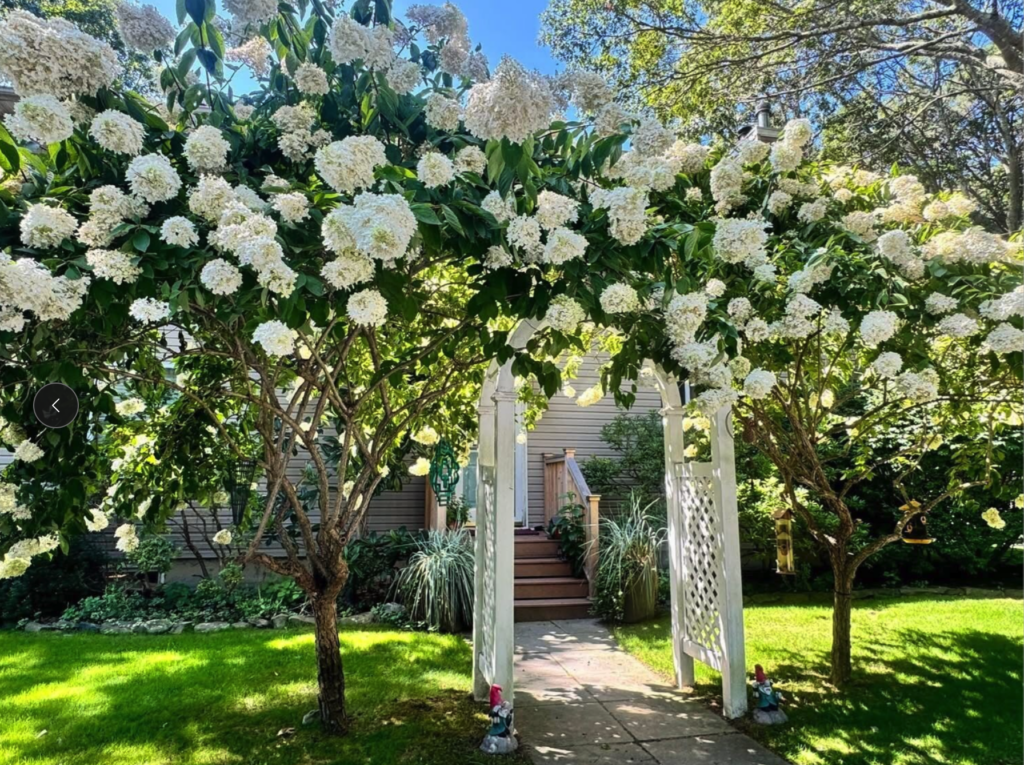
For dramatic seasonal beauty, Norma Bushman highlights the charm of Limelight hydrangea trees.
One of their most captivating features is how they evolve throughout the season. The tree begins with fresh greenery and gradually produces large blooms that shift in color—from green to soft pink, white, and sometimes even hints of purple. This natural transformation creates an ever-changing focal point in the garden.
These blooms also last a long time and can be enjoyed beyond the garden itself. Hydrangea flowers are beautiful when cut for indoor arrangements, dried for décor, or simply left overflowing on the plant outdoors.
Instant Curb Appeal with Hydrangeas
Hydrangeas are also a favorite of Elizabeth C. France, who notes that they’re one of the easiest ways to boost curb appeal.
Planted in a sunny but not overly hot location, hydrangeas thrive with regular watering and a layer of mulch to retain moisture. Available in shades of blue, pink, and white, they provide lush blooms that return year after year with minimal effort.
For homeowners preparing a property for sale, hydrangeas offer an easy landscaping upgrade that instantly makes a home feel more inviting and well cared for.
Planting Tips for a Thriving Garden
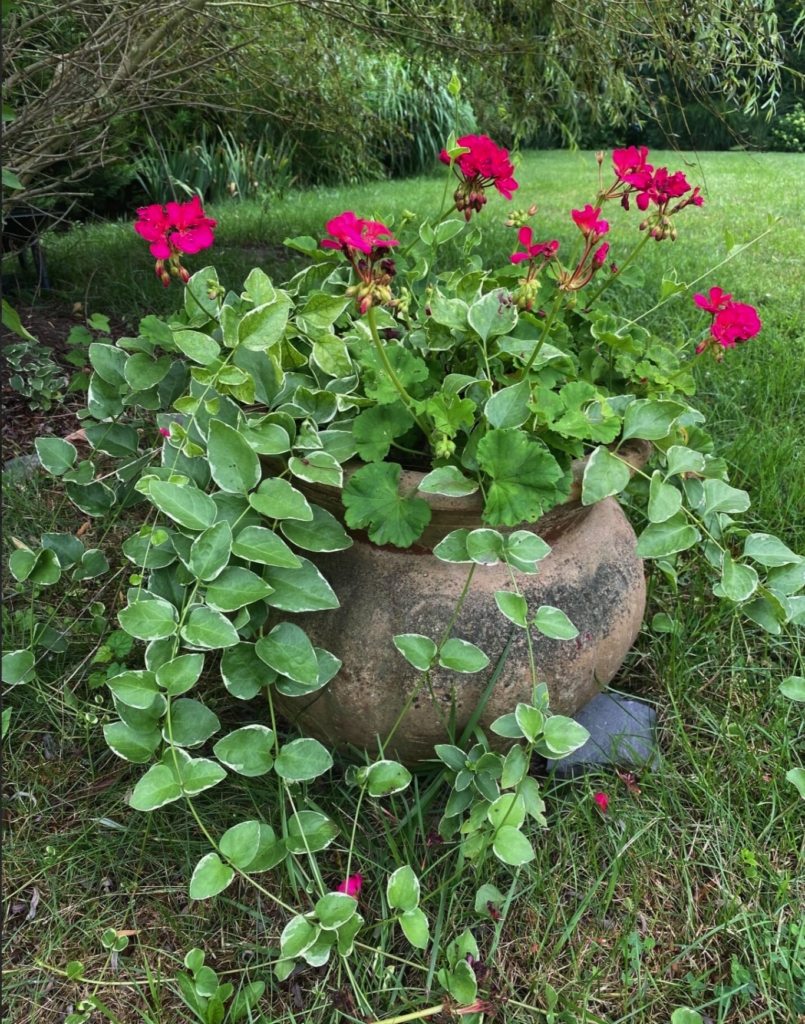
Cynthia R. Barrett emphasizes that successful gardening starts with thoughtful planning and proper planting techniques.
“Before starting a new garden or expanding an existing one, write down the color scheme you’d like and decide whether you want flowers, vegetables, or a mix of both,” she says. “It’s also important to determine exactly where you want your garden to be located so you can plan the layout accordingly.”
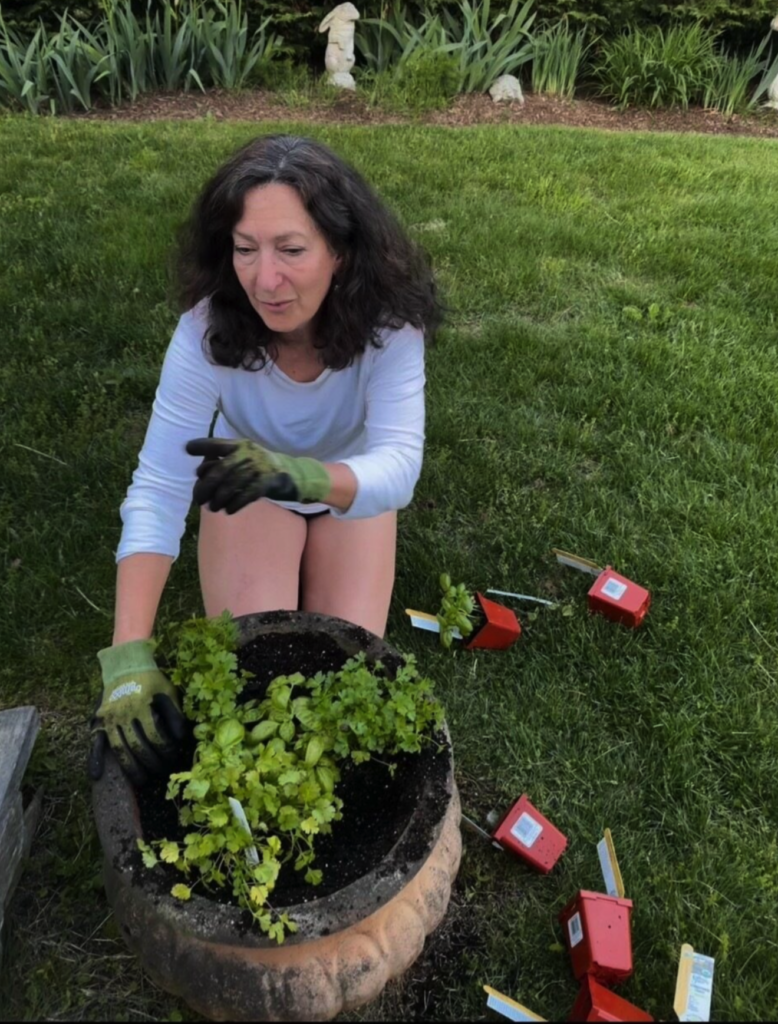
For early starters, Cynthia suggests beginning with seedlings indoors. “Start seedlings in a sunny space or under a grow light until there’s no longer a chance of frost,” she explains. “Then you can bring your plants outside. Alternatively, you can simply wait to plant until after the final frost.”
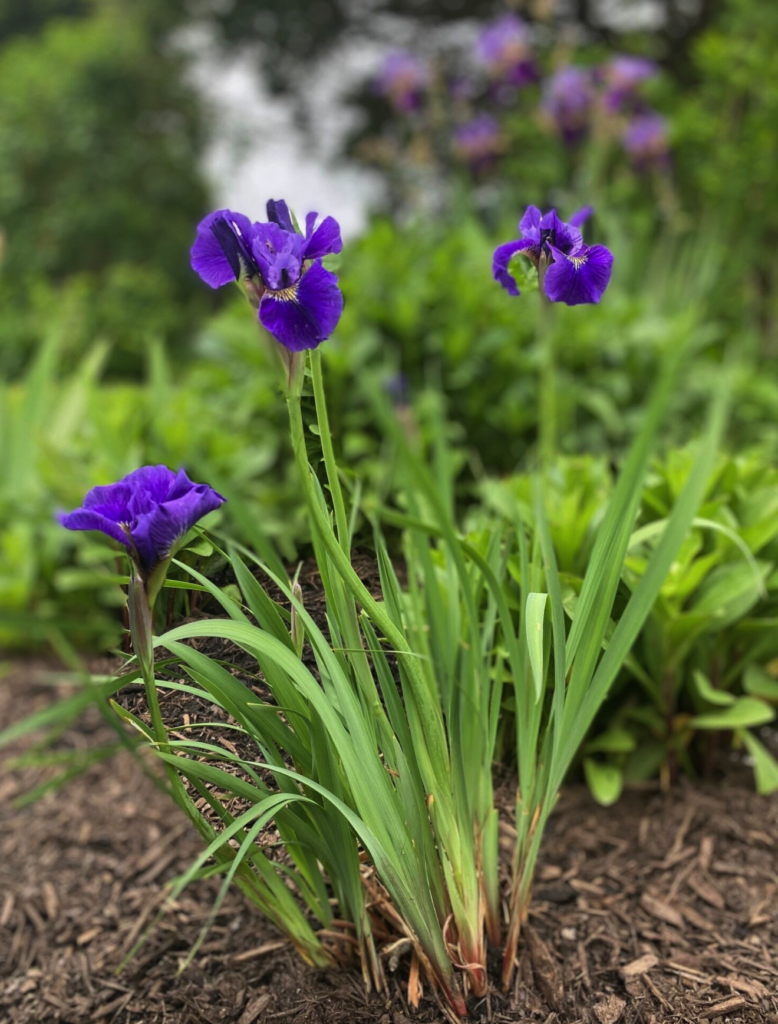
Healthy soil is another essential foundation. Cynthia recommends preparing garden beds with nutrient-rich top-soil and adding lime to improve soil conditions. “I personally prefer to use organic soils whenever possible,” she adds.
When planting flowers that come in pots, Cynthia advises digging a hole that is about twice the size of the container. Add fresh topsoil to the bottom, gently remove the plant from the pot, and place it into a hole before filling in the surrounding space with a mix of existing soil and new soil. After planting, water thoroughly. “Make sure the soil is completely saturated,” she says. “Your plants should get plenty of water right away.”
Ongoing care is equally important. Cynthia recommends watering every other day while plants establish themselves, and watering daily during particularly hot weather.
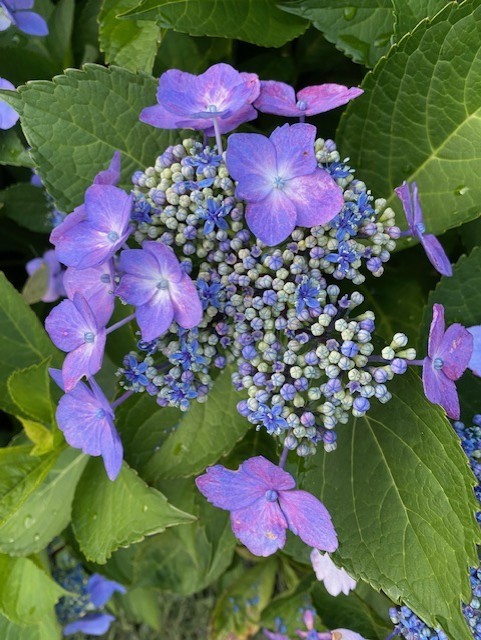
Gardeners can choose from annuals, perennials, vegetables, or shrubs depending on their preferences. Cynthia personally favors perennials because they return each year. “They’re much less labor intensive,” she notes. “Mostly you just need pruning and maintenance.”
To protect new plants, she also suggests installing a small fence if needed. “Little animals love to nibble on fresh flowers, herbs, and vegetables,” she says.
With proper care, your garden can continue providing beauty throughout the season. “Enjoy your plantings all the way until the first frost,” Cynthia adds. “Sometimes that can be as late as November.”
Keep Your Lawn Healthy and Weed-Free
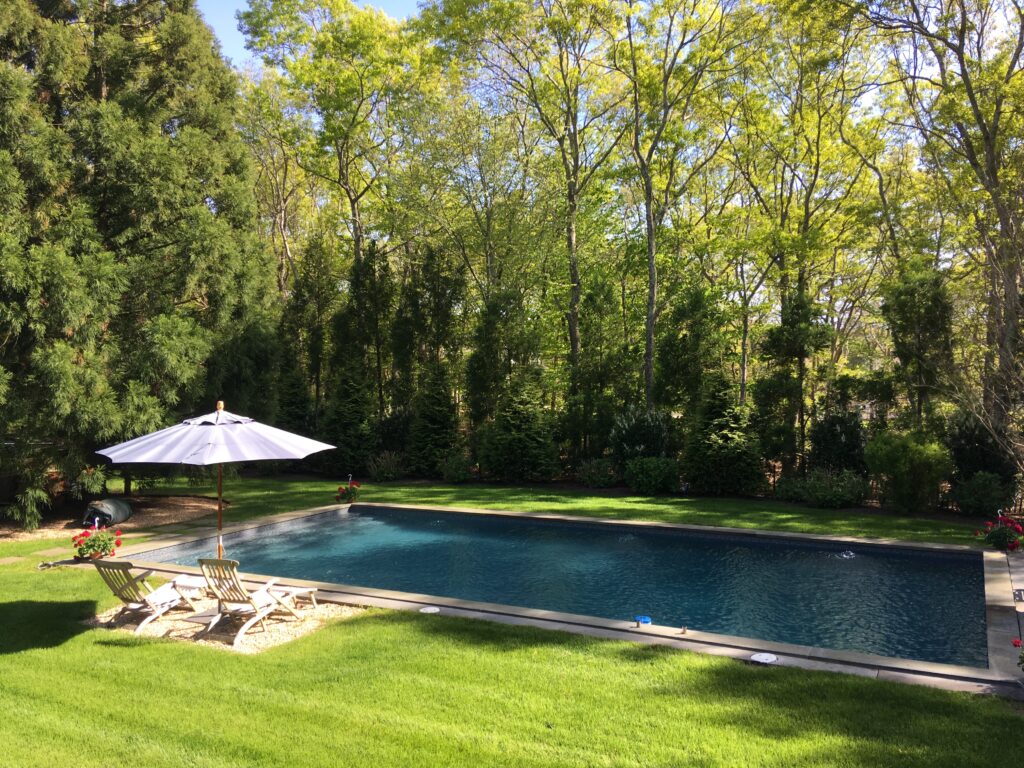
A beautiful garden isn’t complete without a healthy lawn. Dennis Gallagher emphasizes the importance of seasonal lawn preparation to prevent weeds from taking over.
The best defense against weeds is proactive care in both fall and spring. Key steps include:
- Rake regularly to clear debris and allow sunlight to reach the soil.
- Aerate the lawn about 3–6 inches deep to help water, air, and nutrients penetrate the soil.
- Apply organic pre-emergent herbicide to prevent weeds before they begin to grow.
- Reseed thin areas to encourage thick, healthy grass coverage.
- Add clean topsoil to improve soil quality and support new growth.
- Test and activate irrigation systems to ensure consistent watering.
Some weeds will still appear, and those should be removed manually to prevent them from spreading further.
Don’t Forget Safety for You and Your Pets
Gardening is rewarding, but safety should always come first. Wear protective gear while working outdoors and be mindful of plant choices if you have pets. Some plants can be harmful if ingested, so research varieties before adding them to your landscape.
A pet-friendly garden ensures your outdoor space remains safe for every member of the household.
Gardens That Add Beauty and Value
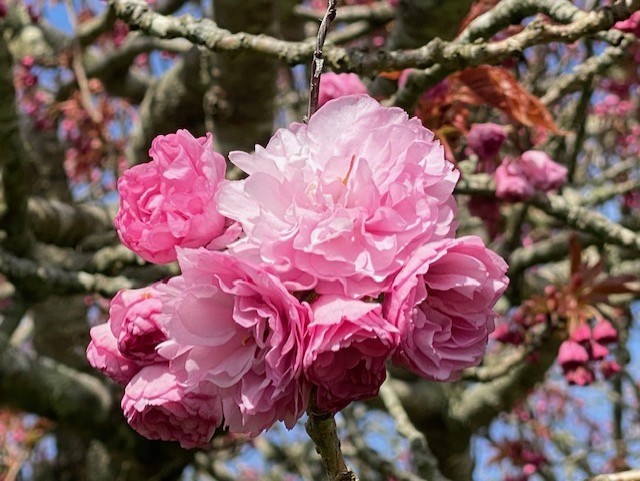
A thoughtfully maintained garden does more than enhance everyday living, it creates a welcoming first impression that can increase a home’s market appeal. Whether you’re layering plants for texture, planting hydrangeas for seasonal color, or nurturing a healthy lawn, these expert tips from Brown Harris Stevens real estate experts can help you cultivate an outdoor space that’s as beautiful as it is inviting.
With careful planning and a little patience, your garden can flourish season after season, offering beauty, tranquility, and lasting value.
Leave a Reply