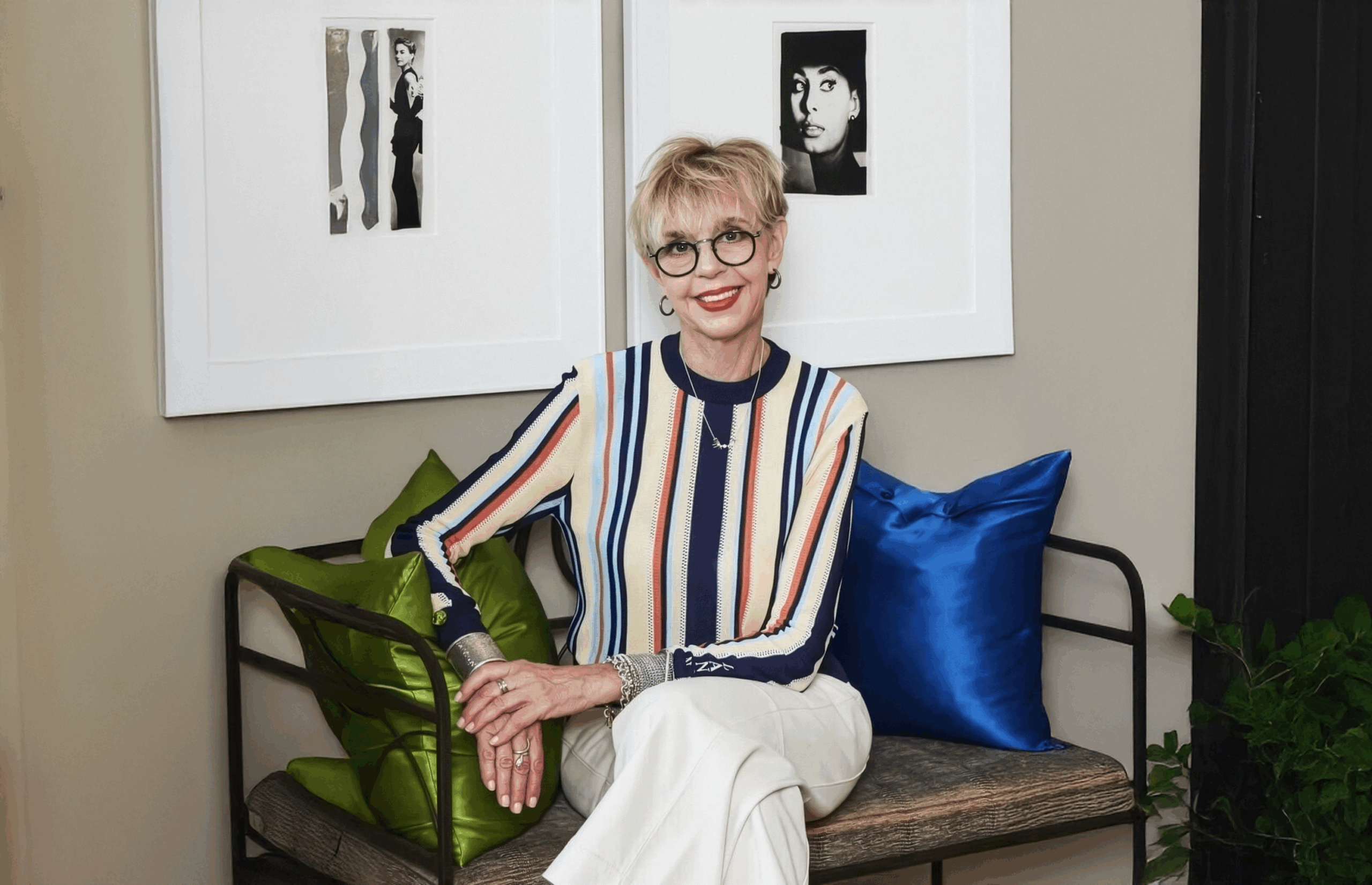
Bonnie Steves, founding principal of the award-winning BJS-Assoc Interior Design, has built a reputation for creating interiors that are both sophisticated and highly livable. Her work balances timeless elegance with contemporary sensibilities, producing spaces that reflect the personality and lifestyle of each client. Drawing inspiration from nature, art, fashion, travel, and historical design movements, Bonnie thoughtfully considers every detail—from architectural elements to color palettes and textures. She approaches each project as a story waiting to be told, blending creativity with functionality to craft environments that feel effortless yet intentional. In this Q&A, Bonnie shares insights into her design philosophy, process, and the inspirations that shape her celebrated interiors.
Your portfolio showcases a harmonious blend of sophistication and livability. How do you approach balancing aesthetics with functionality in your designs?
My design approach always prioritizes form and function as I believe they belong together in every design, no matter the space or use. By carefully considering and creating purposeful design in the furnishings, materials, and textures, you can ensure optimal sophistication without compromising comfort or livability.
Your work often incorporates unexpected elements. Could you share how you decide when to introduce these surprises into a space?
If the space feels too flat or predictable, I add character and a sense of excitement by introducing unexpected architectural features like wall treatments, stenciled or sunken floors, ceiling features, paneling, contrasts using bold colors or textiles, or unique furnishings. The goal is to transform an ordinary space into a memorable one through surprising and delightful details.
In a city as dynamic as New York, how do you ensure that your designs remain timeless yet contemporary?
I focus on high-quality, natural materials, a neutral palette, and a commitment to functionality and balance. I incorporate modern trends sparingly through easily changeable decorative elements and accessories, mixing classic architectural details with contemporary layouts, and blending antique and vintage pieces with new ones to create a sophisticated, enduring aesthetic.
Can you describe a project where you had to adapt your design approach to meet unique client needs or constraints?
A client purchased a semi-custom home with most of the finishing selections already made by the builder. With a tight timeline, we had input on elements like floor stain and paint. Using selected vendors for lighting and hardware, we were able to infuse the client’s personality and create a distinctive home—all within the builder’s budget and timeframe.
Who or what are your primary sources of inspiration when conceptualizing a new project?
Inspiration generally starts with the client’s lifestyle, interests, travels, favorite movies and books, likes, dislikes, and needs—including visits to their closets for color inspiration. From there, I draw inspiration from nature, fashion runways, history, art, travel, and culture, all of which offer unique patterns, textures, and architectural styles.
Your use of materials seems both intentional and innovative. How do you select materials that resonate with the intended mood of a space?
I begin by defining the desired atmosphere and then consider how texture, color, and light interact to create that feeling. I enjoy using materials, textures, patterns, and color in playful and unexpected ways, often referencing historical periods, art, and fashion to inform my palette and selections.
Color plays a pivotal role in your designs. How do you determine the color palette for a project, and what emotions do you aim to evoke through color?
Choosing a color palette is a strategic process intertwined with understanding color psychology. I start by delving into the project’s intention and the client’s preferences, cultural background, and needs. Each project has different objectives, so the goal is to apply a palette that creates a cohesive and impactful design.
Are there particular architectural styles or historical periods that influence your design sensibilities?
I approach design like an archaeologist and historian. I love mixing different periods into an overall design—MCM, Bauhaus, Art Deco, Modernism, Arts and Crafts, Postmodernism—all have a place in my toolkit. It’s about discovery and creating a space that is as unique as its owners.
Could you walk us through your design process, from initial concept to project completion?
My process moves from an initial consultation and discovery phase to concept development with mood boards and space plans, followed by design development with detailed plans, renderings, and material selections. After client approval, we proceed with procurement, construction, installation, final styling, project handover, and post-completion support.
Collaboration is key in interior design. How do you work with architects, artisans, and clients to bring a vision to life?
It always takes a village. We start with the client’s vision, then work with architects, GCs, and artisans to execute it. Clear communication, defined roles, shared documents like elevations, shop drawings, mood boards, and space plans, and mutual understanding of budget and timelines ensure a cohesive and successful design.
Looking back on your career, what project stands out as a defining moment for you? How do you envision the future of interior design evolving, and how do you plan to adapt?
The Ronald McDonald House was monumental—it required considering everyone who would use the space while maintaining sustainability and my design aesthetic. I see interior design evolving with increased integration of technology, a focus on sustainability, personalization, and flexible layouts. My goal is to embrace lifelong learning, experiment with new tools and styles, draw inspiration from travel, and prioritize sustainable and ethical practices.
Click here to watch an in-person interview with BHS Agent Daniella Schlisser & Bonnie Steves
Leave a Reply